If there were no meeting at all, I would have no reason to resent either her coldness or my own misfortune.
Fujiwara no Asatada was a mid-Heian noble, one of the Thirty-Six Immortal Poets, also known as a master of the shō mouth organ. This poem was composed at the Tentoku Palace Poetry Contest held by Emperor Murakami in 960, on the assigned theme "meeting", the same contest where poems No. 40 and No. 41 had their famous match. There was no heartbreak in front of him, yet for a thousand years it has been read as a true love poem. A poem written to a set theme reaching people as the words of someone really suffering: that was the craft these contests were about.
He says it would have been better never to have met. But the heart of the poem is not regret. It is that he admits resenting both the other person and himself; he does not blame only her, and counts the one who blames as well. The single word "nakanaka ni" (rather, on the contrary) lifts the poem above simple regret. Never meeting would have been peaceful, but that peace is the peace of never knowing you. Whether he truly wishes for it, the poem never says.
What we most wanted to keep was the other side of "it would have been better never to meet." From one brush of fingertips begin the days of counting nights apart. It feels like too little only because there was a day when it was full. The self in the world where we never met sleeps peacefully, but that person does not even know your name. Can you truly envy that? We felt that was the real question of this poem. So we used the same melody twice, and turned over only the last line of the chorus, from "and still, we met" to "and still, I'm glad we met." In the final chorus, accepting that even the resentment was something you gave, we set both lines side by side, ending with both still there, neither erasing regret nor making it pretty.
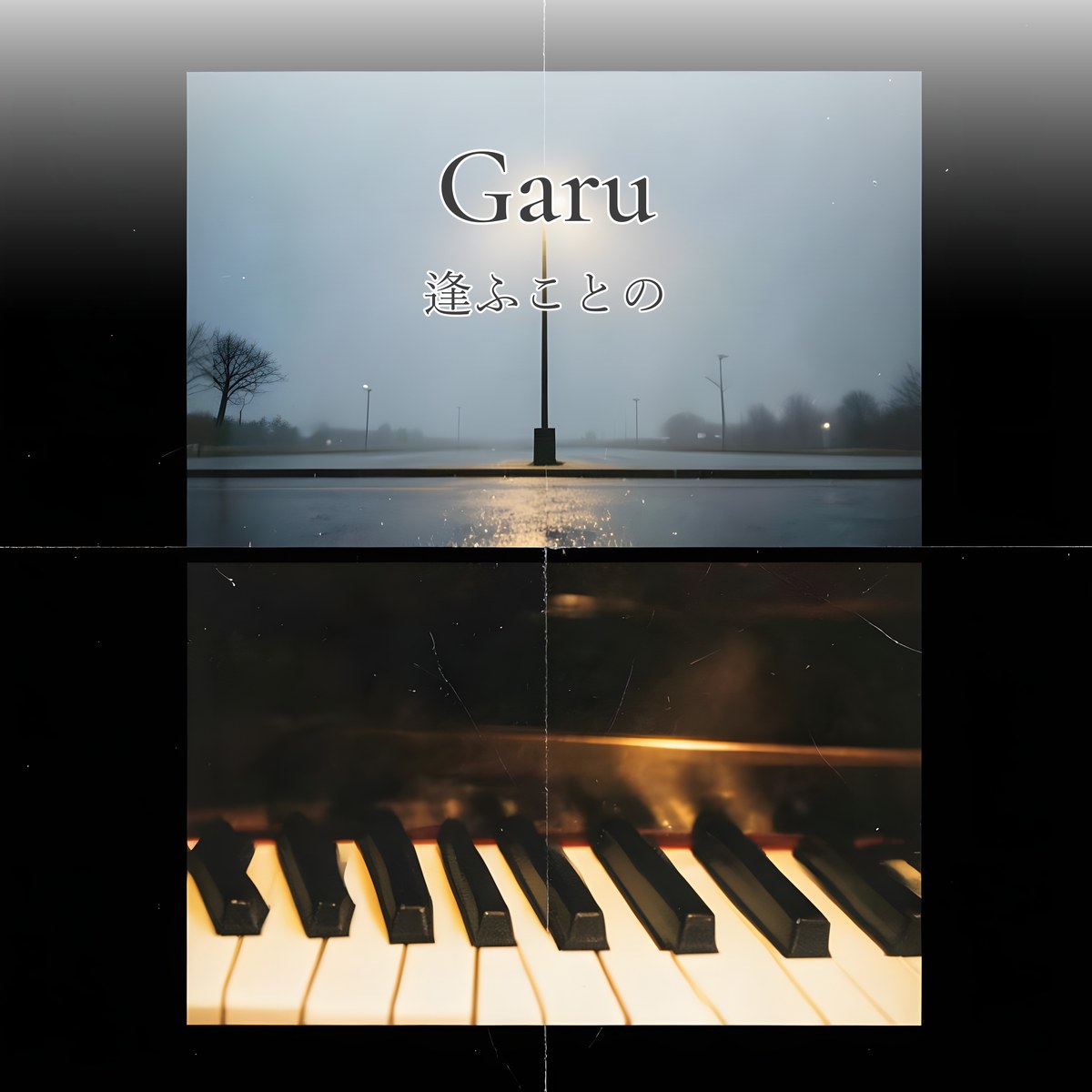
逢ふことの(拾遺集/中納言朝忠・百人一首44番)Garu JP
はじめから 知らない人のままで
すれちがって 終わっていたなら
名前も 声も 手のあたたかさも
わたしの中に 無かったのに
知らないものは 欲しくならない
無いものは 数えられない
逢ふことの 絶えてしなくは なかなかに
人をも身をも 恨みざらまし
一度も 逢わずに いたのなら
あなたも わたしも 恨まずにいられた
それでも 逢ってしまった
あの日 ふれた 指先から
逢えない夜を 数えはじめた
名前も 声も 手のあたたかさも
わたしの中に 増えてしまった
知ったものは 欲しくなる
足りないのは 満ちた日が あったから
逢ふことの 絶えてしなくは なかなかに
人をも身をも 恨みざらまし
一度も 逢わずに いたのなら
あなたも わたしも 恨まずにいられた
それでも 逢ってよかった
逢わなかった世界の わたしは
今夜も よく眠れているだろう
恨むことも 数えることもなく
あなたの 名前も 知らないまま
逢ふことの 絶えてしなくは なかなかに
人をも身をも 恨みざらまし
恨むことしか できなくても
恨みさえ あなたが くれたもの
逢って しまった
逢って よかった
なかなかに
Au koto no (Shui-shu / Fujiwara no Asatada, Hyakunin Isshu No. 44) Garu JP
If you had stayed a stranger from the very start
if we had only passed each other by
your name, your voice, the warmth of your hand
would never have been inside me
What you don't know, you never long for
what you don't have, you can't count
"If we had never met at all,
I would resent neither you nor myself"
if we had never met even once
neither you nor I would have to resent
and still, we met
From the fingertips I touched that day
I began counting the nights we can't meet
your name, your voice, the warmth of your hand
have only grown inside me
What you come to know, you long for
what feels missing is missing because once I was full
"If we had never met at all,
I would resent neither you nor myself"
if we had never met even once
neither you nor I would have to resent
and still, I'm glad we met
The me in a world where we never met
is surely sleeping well tonight
with nothing to resent and nothing to count
not even knowing your name
"If we had never met at all,
I would resent neither you nor myself"
even if all I can do is resent
even the resentment is something you gave me
we met, though we shouldn't have
I'm glad we met
nakanaka ni