There is no escape from this world. Even deep in the mountains where I fled to leave it behind, a deer cries out in sorrow.
Fujiwara no Shunzei was a poet of the late Heian and early Kamakura periods and the father of Fujiwara no Teika. He later compiled the Senzai Wakashū. He composed this poem in his late twenties, on the theme of the deer, as part of a hundred-poem sequence of personal reflections. Around that time, many people were leaving the world to live in the mountains; Saigyō, of the same generation, took Buddhist vows. Shunzei did not, and only became a monk late in life.
There is no road of escape from this world. Even deep in the mountains where he went, lost in thought, a deer is crying. "Omoi iru" means both "to brood" and "to enter" the mountains. He looked for a place to escape, and even there was a voice of sorrow. It can be read as despair, as resignation, or as a kind of acceptance: the reflection of the young Shunzei.
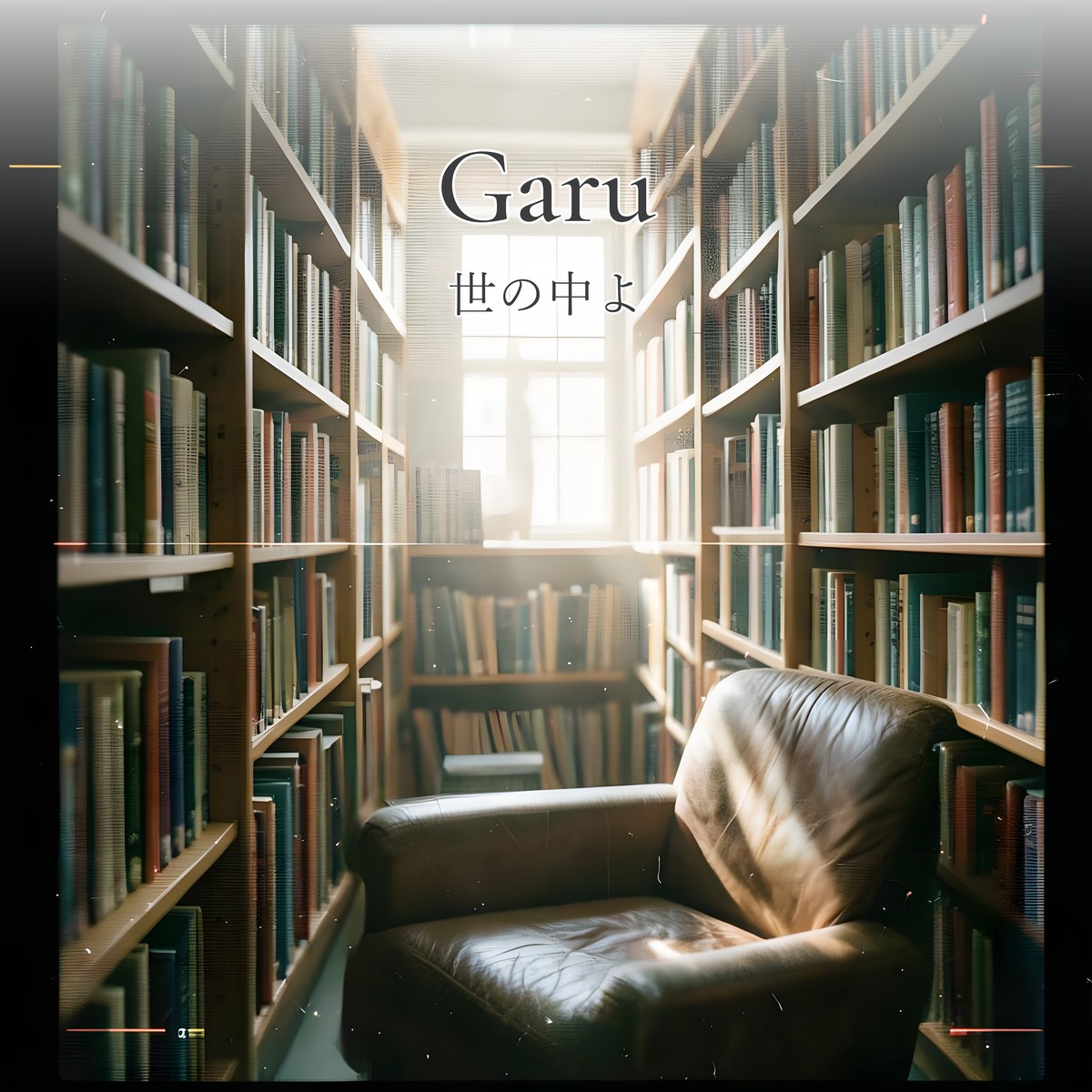
What we cared about most in this poem is that, where he fled, he could not help hearing the deer. You run to a place no voice can reach, and someone there is crying too. We felt that was not despair, but the discovery that you were not alone. So we set the song in a school library, where a student runs after her dream is laughed at. At the tears of a stranger trembling deep in the forest of books, her clenched hand comes undone. The poem says there is no road of escape, but there is a road back. Not the back door she came in through: she opens the front door with her own hand, smooths out the crumpled paper, and traces the same dream once more. We ended the song with a quiet resolve that does not need to shout. The beat never stops from start to finish, because the world itself never stops.
世の中よ(千載集/皇太后宮大夫俊成・百人一首83番)Garu JP
五時間目の 教室
進路の 紙を 読み上げられる
「現実を 見ろ」の ひとことに
小さな 笑いが 広がる
くしゃくしゃの 紙を 握って
後ろの 扉を すり抜ける
図書室なら 誰の 声も
もう 追いつけない
本棚の 陰に 座ると
光の 中を 埃が 舞う
世の中よ 道こそなけれ 思ひ入る
山の奥にも 鹿ぞ鳴くなる
逃げこんだ 本の 森でも
誰かが 泣いている
細く 途切れる 声が
棚の 向こうから 届く
すきまに 見えた 背中が
小さく 肩を 震わせる
わたしの ためじゃない 涙に
握りしめた 手が ほどける
逃げた 先にも
誰かの 長い 午後が あった
世の中よ 道こそなけれ 思ひ入る
山の奥にも 鹿ぞ鳴くなる
抜け道の ない 道で
あの子も わたしも 泣いている
世の中よ 道こそなけれ 思ひ入る
山の奥にも 鹿ぞ鳴くなる
涙の あとを 袖で 拭いて
来た 廊下を 戻る
前の 扉を この手で 開ける
集まる 視線の 中を 歩く
世の中よ 道こそなけれ 思ひ入る
山の奥にも 鹿ぞ鳴くなる
くしゃくしゃの 紙を ひらいて
同じ 夢を もう一度 指で なぞる
Yo no naka yo (Senzai-shu / Fujiwara no Shunzei, Hyakunin Isshu No. 83) Garu JP
Fifth period, in the classroom
my career-plan form is read out loud
"Get real," says one voice
and a little laughter spreads
Clutching the crumpled paper
I slip out through the back door
In the library, no one's voice
can catch up with me anymore
I sit down in the shadow of the shelves
and dust drifts through the light
Ah, this world: there is no road of escape
even deep in the mountains I fled to, a deer is crying
Even in the forest of books where I ran to hide
someone is crying
A thin voice, breaking off
reaches me from beyond the shelves
Through a gap, I see a back
and small shoulders trembling
At tears that are not for me
my clenched hand comes undone
Even where I ran to
someone else was living a long afternoon
Ah, this world: there is no road of escape
even deep in the mountains I fled to, a deer is crying
On a road with no way out
that girl and I are both crying
Ah, this world: there is no road of escape
even deep in the mountains I fled to, a deer is crying
I wipe my tears away with my sleeve
and walk back down the corridor
I open the front door with my own hand
and walk through the gathering eyes
Ah, this world: there is no road of escape
even deep in the mountains I fled to, a deer is crying
I smooth out the crumpled paper
and trace the same dream once more with my finger